PRACTICE
Temae, posture, movement, repetition, and learning through careful, embodied practice.
EXPLORE →KEIKO
茶の湯
The practice of preparing and sharing tea
Chanoyu gathers host and guest around a bowl of tea, bringing movement, utensils, season, and hospitality into a single shared occasion.
KEIKO approaches Urasenke chanoyu as a living practice—learned through experience, careful repetition, and attention to others.

URASENKE TEA CEREMONY
Students learn how to enter a tea room, handle utensils, prepare and receive a bowl of tea, and take part in the complementary roles of host and guest. Each action is introduced through demonstration, repetition, and individual guidance.
The forms provide a foundation, but no two gatherings are the same. The season, the setting, the chosen utensils, and the people present give every encounter its own character.
Temae, posture, movement, repetition, and learning through careful, embodied practice.
EXPLORE →Tea bowls, kettles, lacquer, bamboo, ceramics, and the skills and stories carried by handmade things.
EXPLORE →The roles of host and guest, thoughtful preparation, tea, food, and creating an experience for others.
EXPLORE →Flowers, sweets, fire, water, and the ways tea responds to the changing year.
EXPLORE →The tea room, borrowed settings, architecture, and how an environment shapes an encounter.
EXPLORE →FROM THE NOTES
MORE CHANOYU NOTES →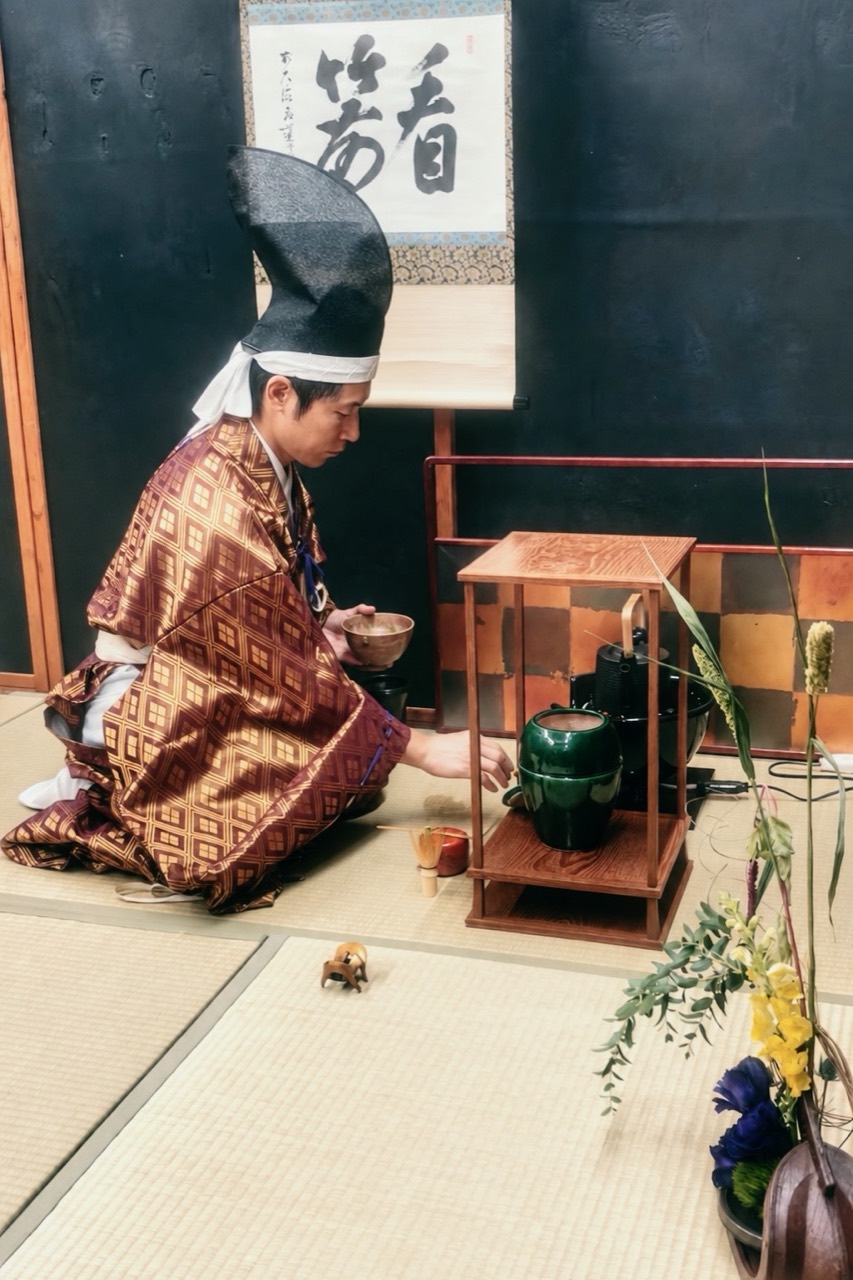 CHANOYU · GATHERINGS
A private tea gathering at Ogasawara-ryū America brought together arrow motifs, riding equipment, and ceremonial dress for a guest’s special occasion.
READ NOTE →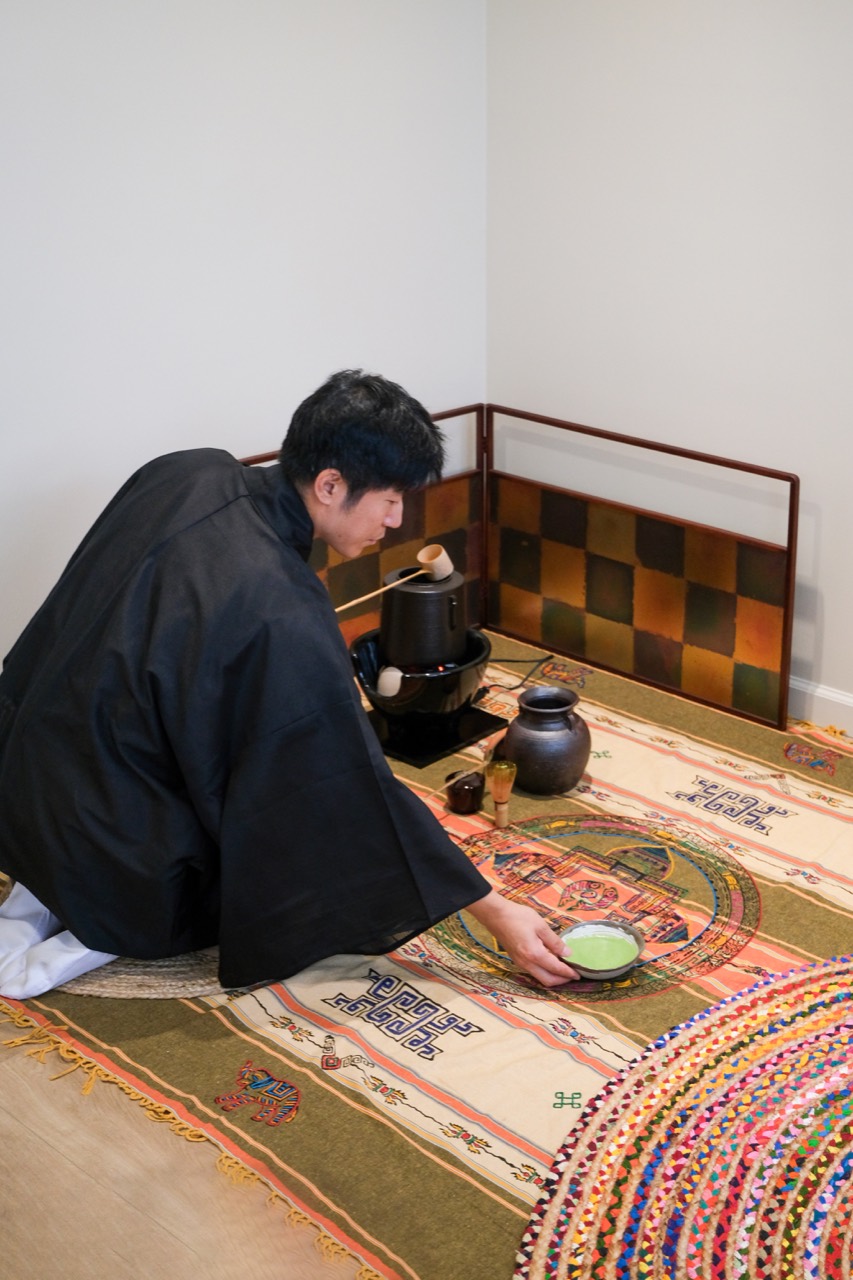 CHANOYU · GATHERINGS
For guests arriving directly from a kintsugi workbench, a summer tea setting brought repaired objects, falling water, neighborhood irises, and a room full of circles into one afternoon.
READ NOTE →EXPERIENCE / GATHER / STUDY
KEIKO offers several ways to encounter chanoyu, from a first guided bowl of tea to continued Urasenke study.
A guided introduction for individuals or small groups. Enjoy a bowl of matcha, take a closer look at the utensils, and learn how to receive tea as a guest. There is room to ask questions along the way.
Thoughtfully prepared tea gatherings and cultural programs for private occasions, organizations, collaborations, and special settings.
Step-by-step Urasenke practice in guest etiquette, temae, movement, utensils, and the seasonal structure of tea.
Chris holds the Urasenke credentials of 2nd-degree Instructor (専任講師), Chamei, and Monkyo (茶名・紋許). His practice is connected with the Chado Urasenke Tankokai San Francisco Association ↗.
No previous experience or knowledge of Japanese culture is required. Inquiries are welcome from San Francisco, the Peninsula, Silicon Valley, and the wider Northern California community.
“The explanations were easy to understand, without feeling overly formal.”
“It felt very down-to-earth. I felt comfortable asking questions, and I learned a lot.”
“The whole experience felt easy to get into—and the matcha was delicious!”