PRACTICE
Training, paired forms, fundamental movement, repetition, correction, and the satisfaction of gradual progress.
EXPLORE →KEIKO
武道・武術
Japanese martial arts in practice
KEIKO welcomes new students for sustained ZNKR Jōdō training in the San Francisco Bay Area.
It is also gathering committed people interested in forming long-term Bay Area practice groups for Hōzōin-ryū sōjutsu and IDO Daqiang.
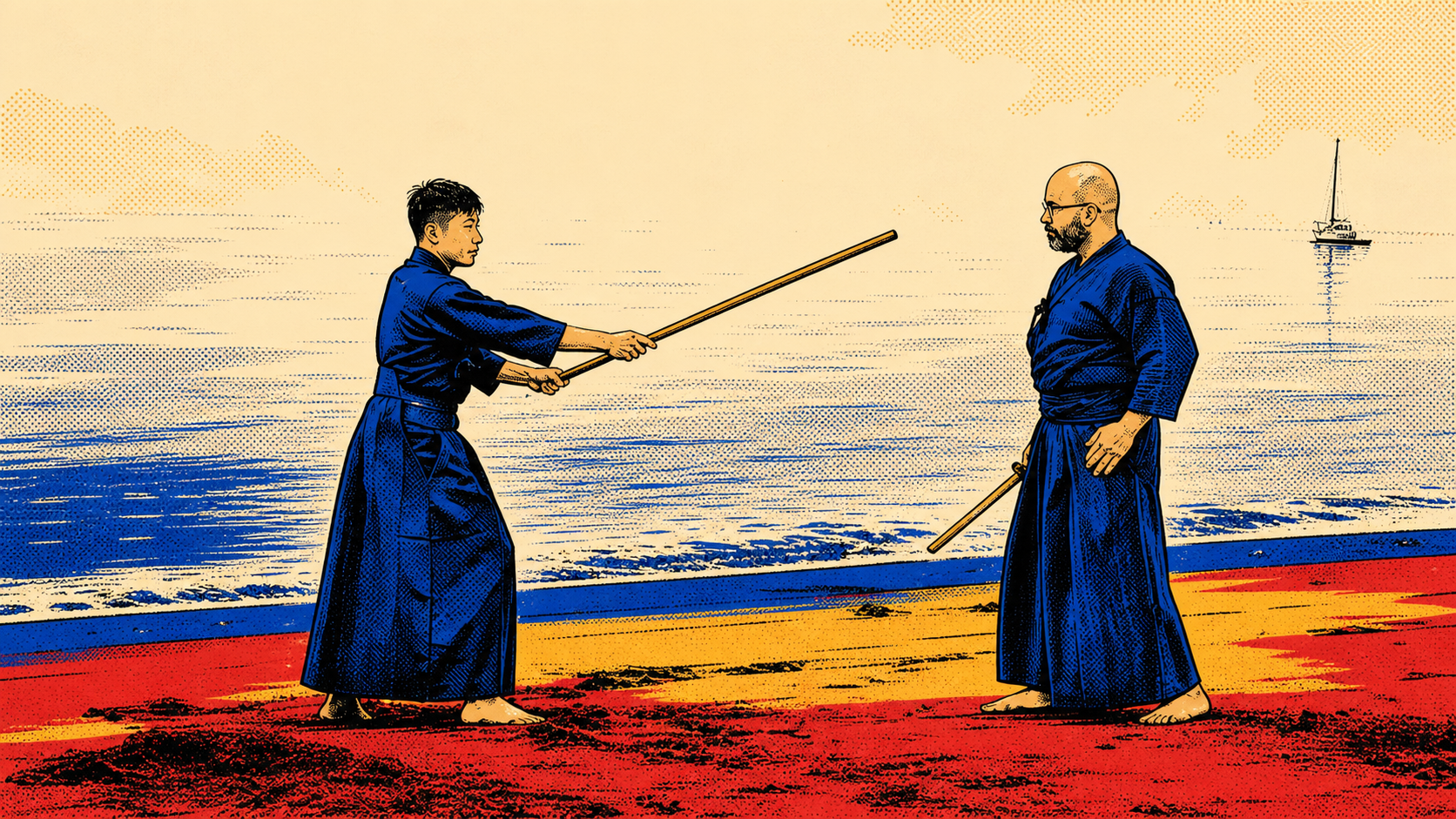
JŌDŌ IN THE BAY AREA
Jōdō pairs a 128-centimeter oak staff with a wooden sword. By practicing both roles, students learn how distance, timing, pressure, and intention create the encounter—not only how to move the jō.
Training begins with fundamental handling, footwork, strikes, thrusts, and paired forms. Chris explains the reasoning behind each action so students can understand what the form is asking for rather than memorize its outline.
Beginners are welcome to join with no previous martial-arts experience. The goal is steady, long-term practice that builds sound movement, awareness, and confidence with a partner.
ASK ABOUT JŌDŌ →Training, paired forms, fundamental movement, repetition, correction, and the satisfaction of gradual progress.
EXPLORE →The methods, curricula, ceremonies, distinctions, and communities that give each living tradition its character.
EXPLORE →Weapons, clothing, equipment, makers, maintenance, and the objects that support safe and responsible practice.
EXPLORE →Documents, terminology, people, events, and the historical contexts through which martial traditions developed.
EXPLORE →Travel, seminars, demonstrations, dōjō visits, and first-hand encounters in practice.
EXPLORE →FROM THE NOTES
MORE BUDŌ NOTES →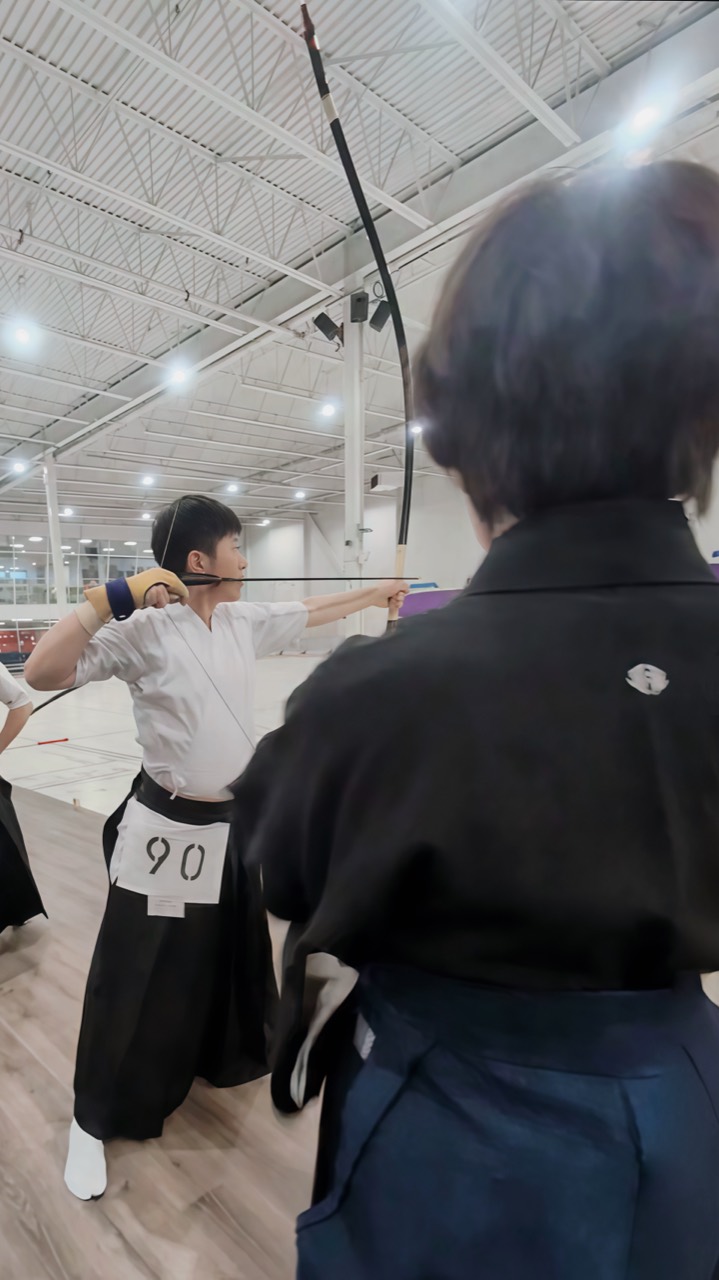 BUDŌ · FIELD NOTES
At a Vancouver kyūdō seminar, instructors watched the fraction of a second before hanare—and exposed how easily a release can become something the archer manufactures.
READ NOTE →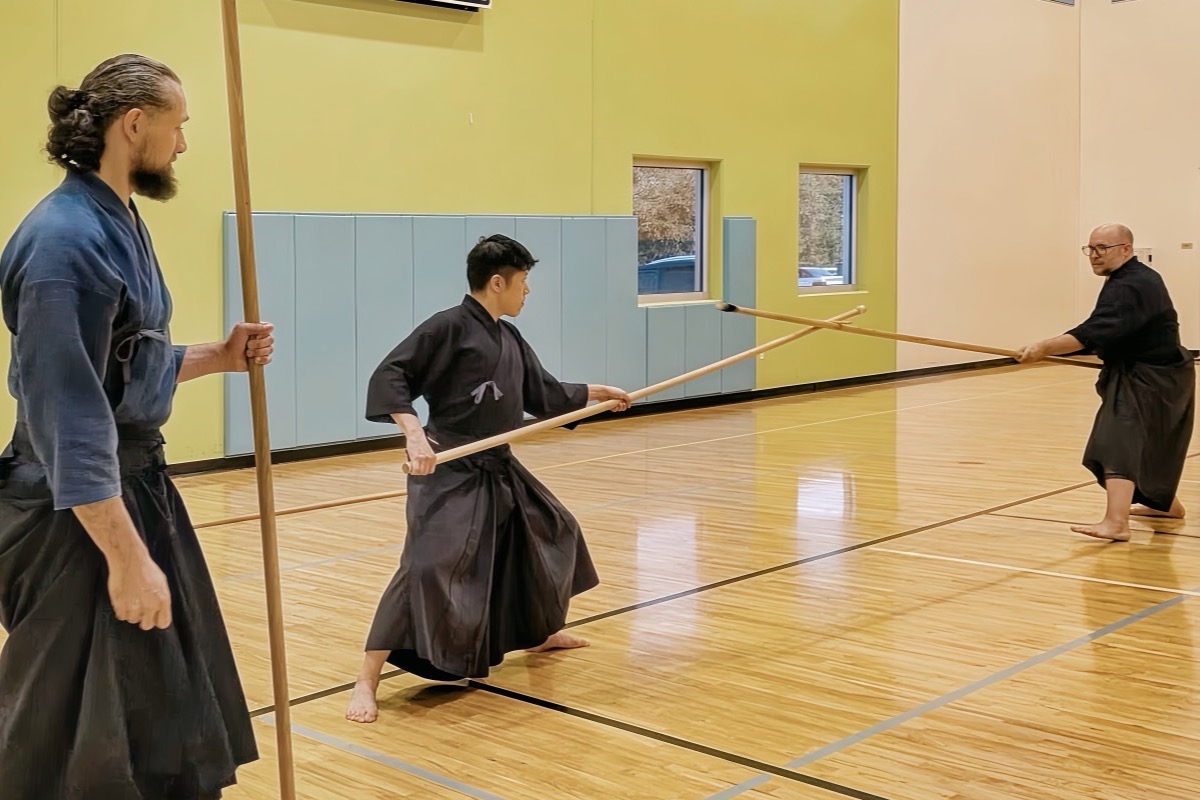 BUDŌ · FIELD NOTES
At my first Hōzōin-ryū gasshuku, the shorter cross-shaped spear revealed its advantage not through reach, but through its ability to control the longer weapon’s line.
READ NOTE → BUDŌ · TRADITIONS
At Shinseikan, a newly organized sword primer showed how a classical curriculum can remain unchanged while the path into it is carefully redesigned.
READ NOTE →A WIDER PRACTICE
Chris’s broader practice includes several modern and classical martial traditions. Studying their different methods provides new ways to think about movement, tools, history, and the choices each school has made.
These arts are not presented as interchangeable. Each is approached through its own teachers, community, terminology, and context. Chris’s current ranks and practice affiliations are listed on the About page.